Understanding
Recent user research uncovered an important pattern: many people felt uncertain about the credibility of ads on the platform. In some cases this even led to worry. The concern was not directed at eJobs itself; the platform was trusted. It was about the businesses advertising on it. Whether the company was legitimate, whether the job was real, whether the salary was accurate.This distinction mattered. It reframed the design problem entirely. The goal was not to rebuild trust in eJobs; it was to extend eJobs' existing credibility outward, onto every job listing on the platform.
The approach
Working with bias, not against it
Rather than treating user scepticism as a problem to overcome, I started by trying to understand it. Kahneman and Tversky's work on behavioural design offered a useful frame: people do not evaluate trust rationally. They rely on fast, intuitive signals; cognitive shortcuts shaped by experience, loss aversion, and pattern recognition. Fighting these biases is a losing battle. Designing with them is not.
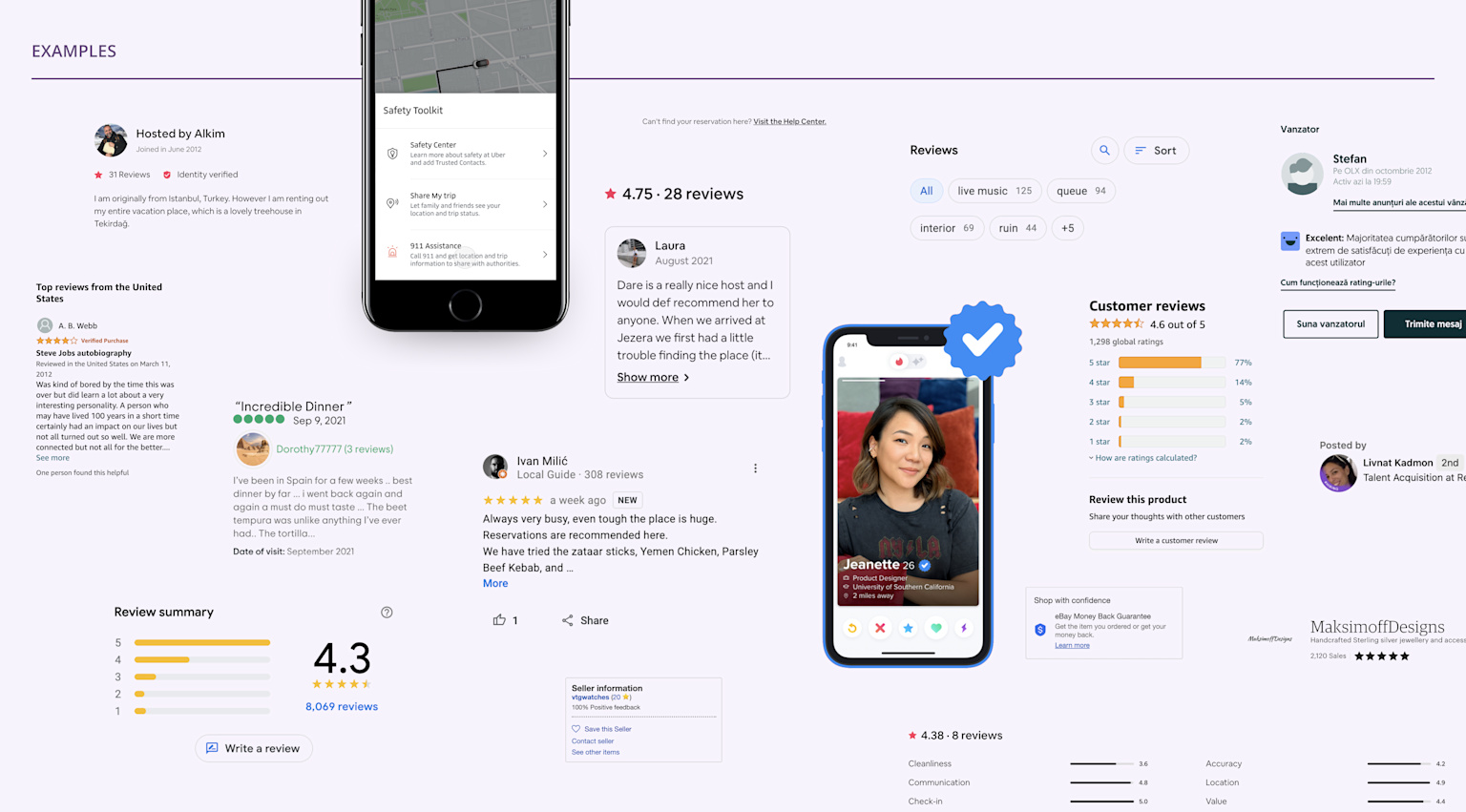
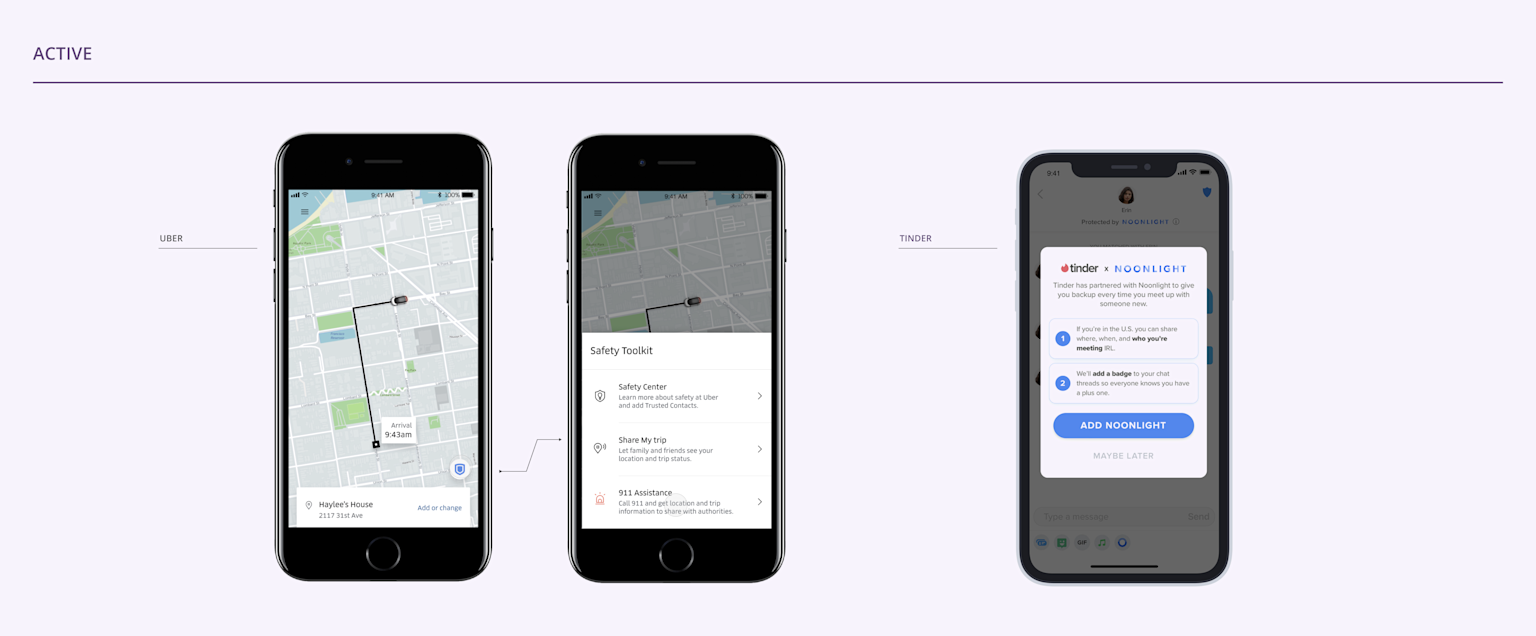
The insight that shaped the solution came from looking at how trust is built across other platforms and industries. Signifiers of trust are everywhere in daily life: star ratings on Trustpilot, verified badges, response times, transparent return policies, safety certifications. These are not just features. They are signals that tell the brain this is safe, this is known, this has been checked by someone other than the person asking you to trust them.
Social proof and transparency emerged as the two most reliable levers. Not because they are new ideas, but because they work with the way people already think.
The opportunity
Building confidence into every job post
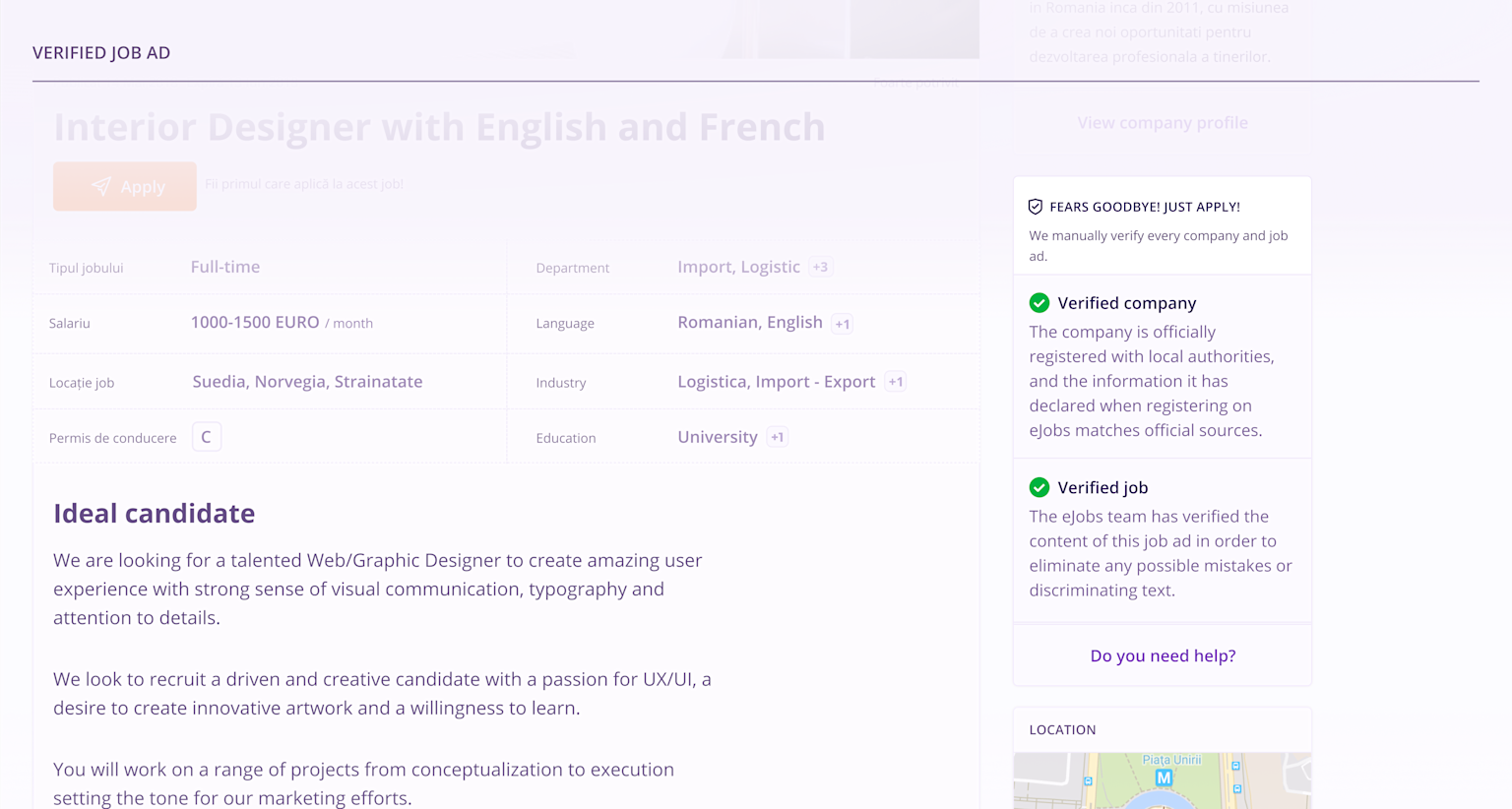
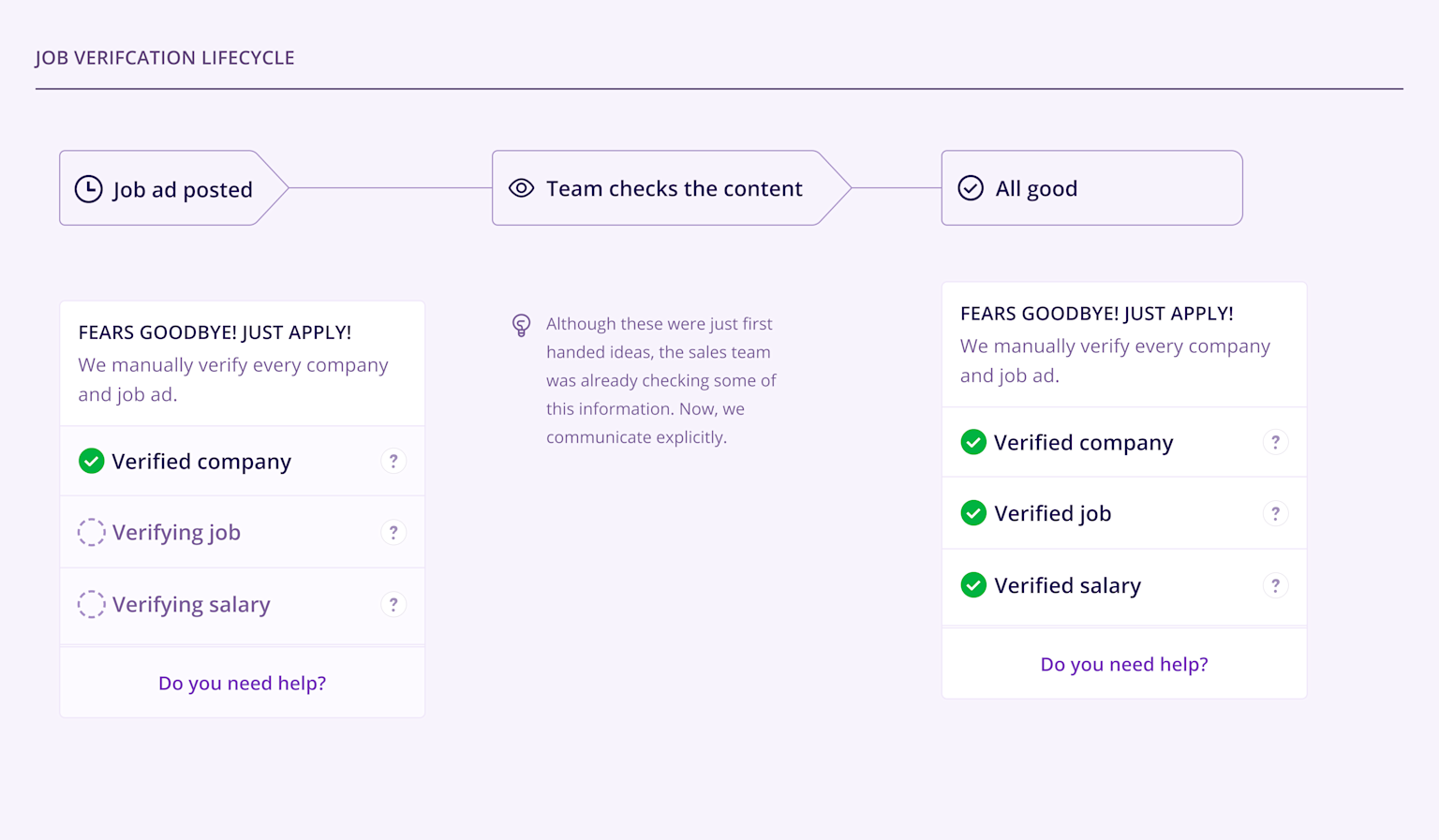
The solution focused on making eJobs' existing verification process visible. The platform already manually verified companies and job listings; the marketing team performed these checks during the sales stage. Users simply did not know this was happening.
The design response was to surface it. A verification badge on each listing, clearly communicating that the company has been checked against official sources and the job content reviewed for accuracy. Alongside this, a step-by-step breakdown of the verification process; showing users exactly what eJobs checks and why, before a listing goes live.
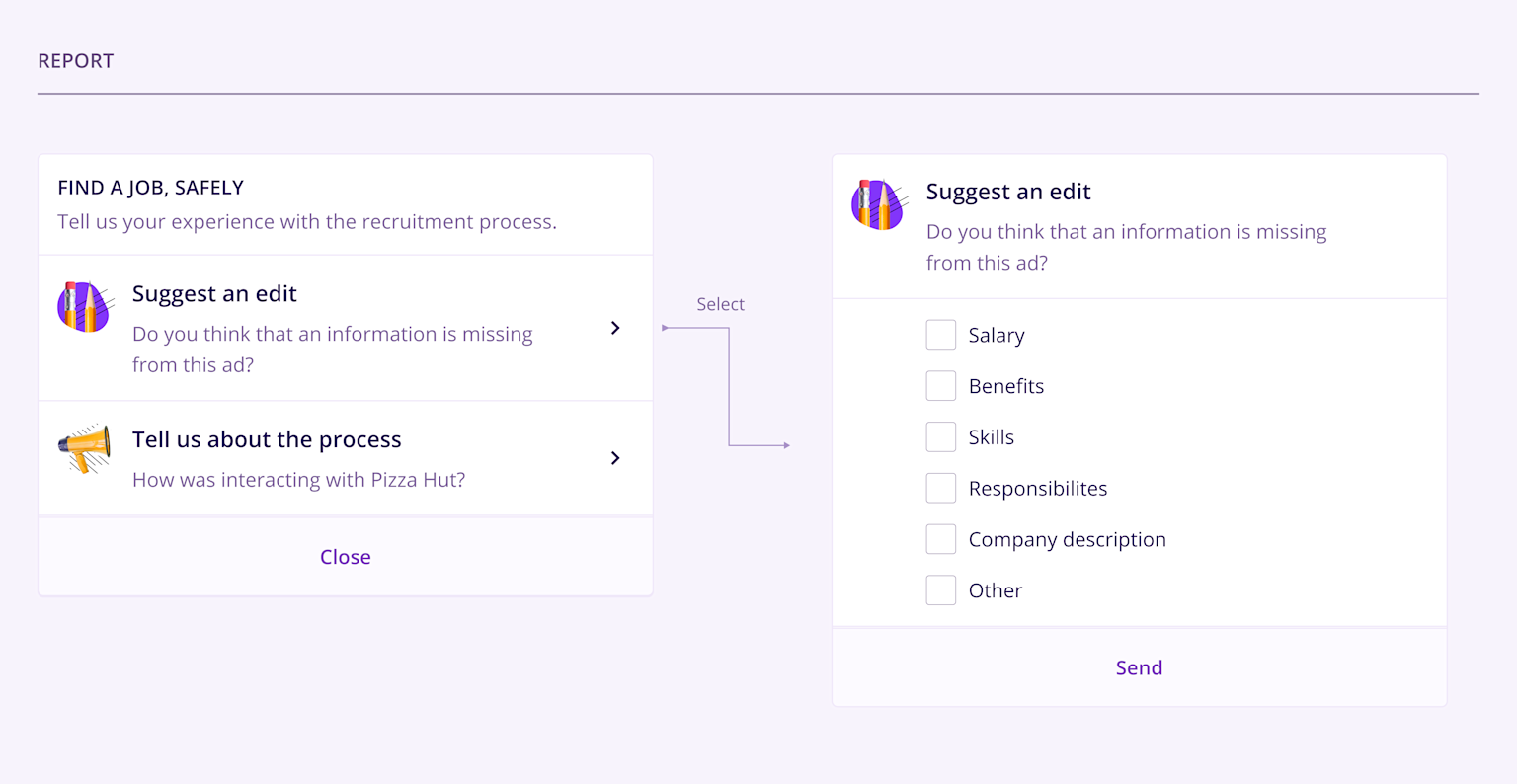
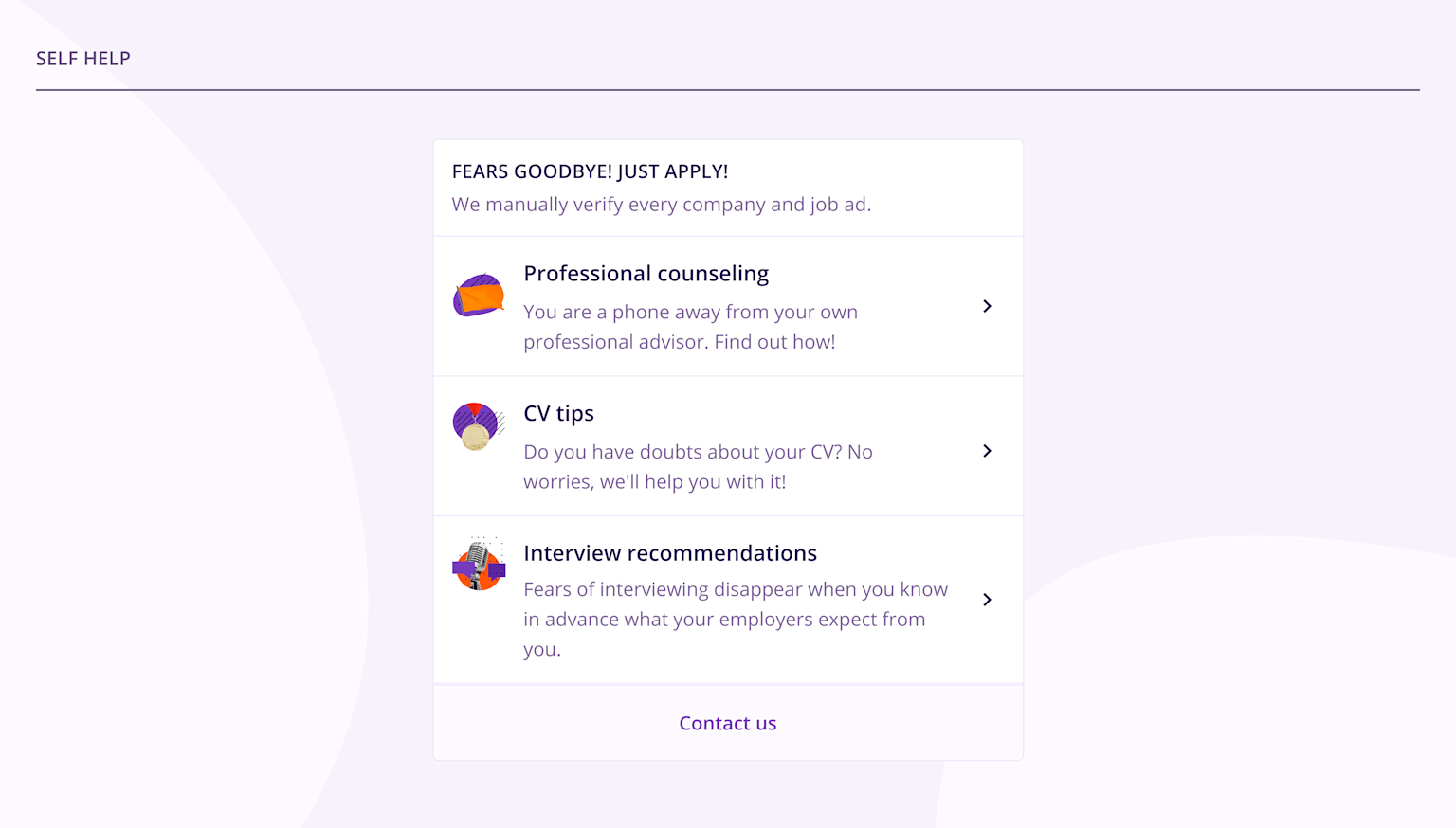
As a next step, I proposed making the existing reporting form more visible and accessible; a quiet but important signal that eJobs stands behind what appears on its platform and gives users a way to act if something seems wrong. The feature was already operational; the opportunity was simply to communicate it better.
Together these elements do not ask users to trust blindly. They show the work. And that is precisely how behavioural design earns confidence; not by telling people everything is fine, but by giving them enough evidence to decide for themselves.