The X series
Creating a heritage-focused apparel brand
Creating a heritage-focused apparel brand
The observation
Kings are the most familiar and the most misread
We all learned about them in school. Kings, rulers, leaders of state; they are the most visible figures in the historical canon, and also the most flattened. Reduced to dates and battles, their complexity gets lost. The bias is baked in.
What interested me was the tension between familiarity and mythology. These are figures everyone recognises but nobody really knows. And crucially — who counts as "our" king is itself a contested question. Including Franz Joseph, the Austro-Hungarian emperor that Hungarians never fully claimed as their own, was an intentional provocation. Heritage is not a fixed truth. It is a negotiation.
The creative concept
Our identity is shaped as much by our origins as by our aspirations
Heritage should not be a static relic preserved in ivory. It is a living dialogue; one that remains relevant by being recontextualised, challenged, and worn. The X Series is a self-initiated concept for a heritage-focused streetwear brand built around limited drops. X marks exclusivity. Each series is a capsule; a small, considered set of pieces that could expand to other chapters of Hungarian and regional history.
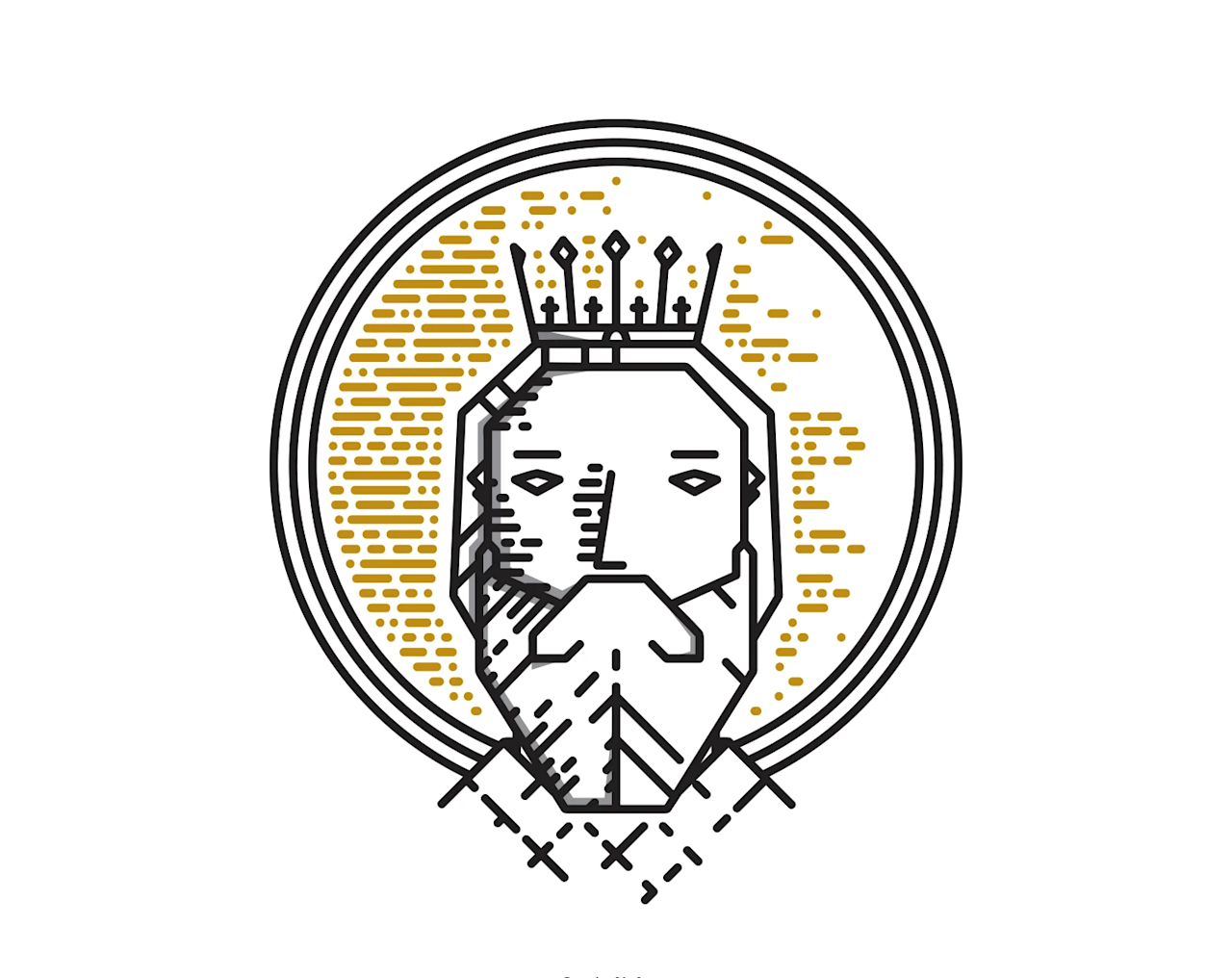
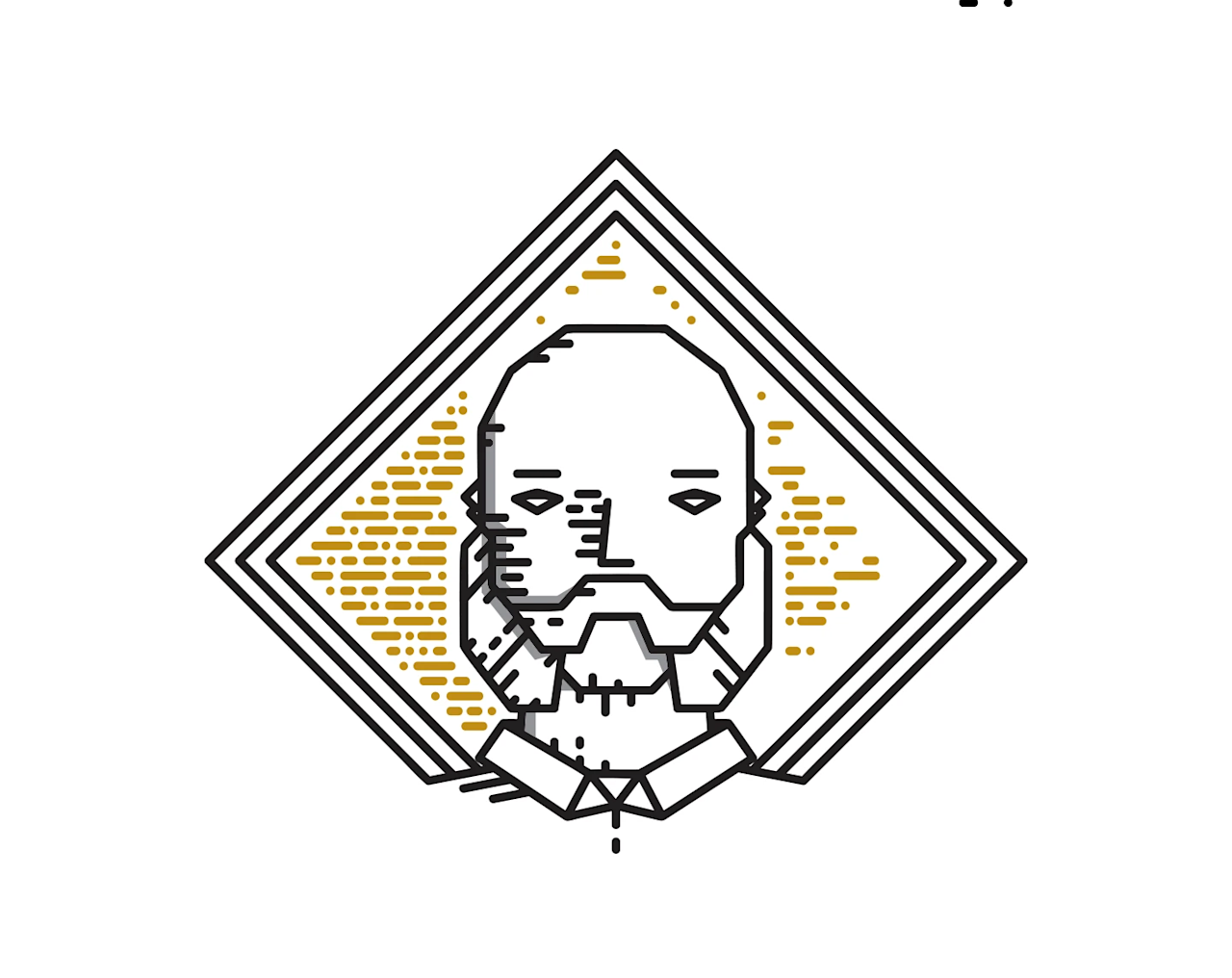
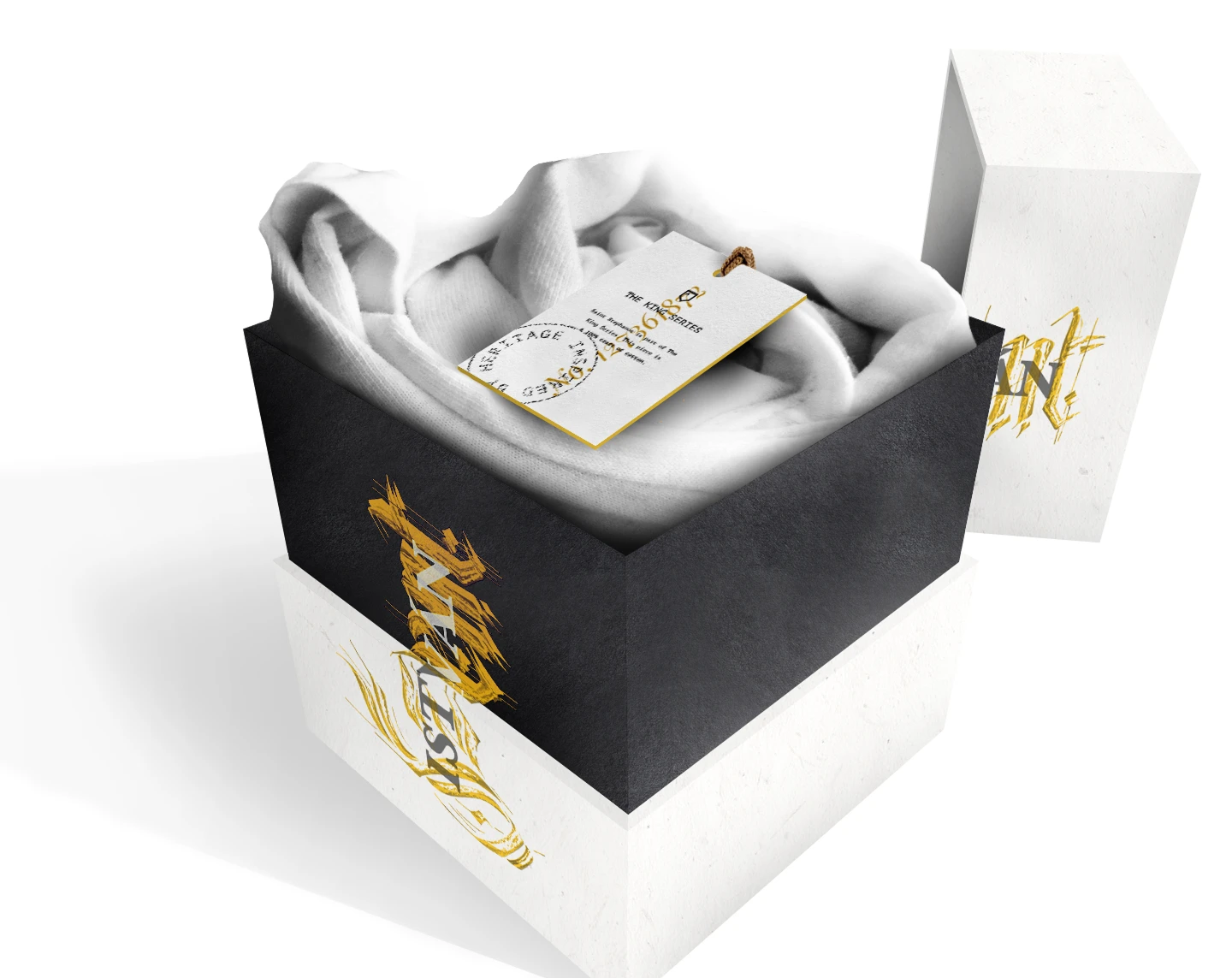
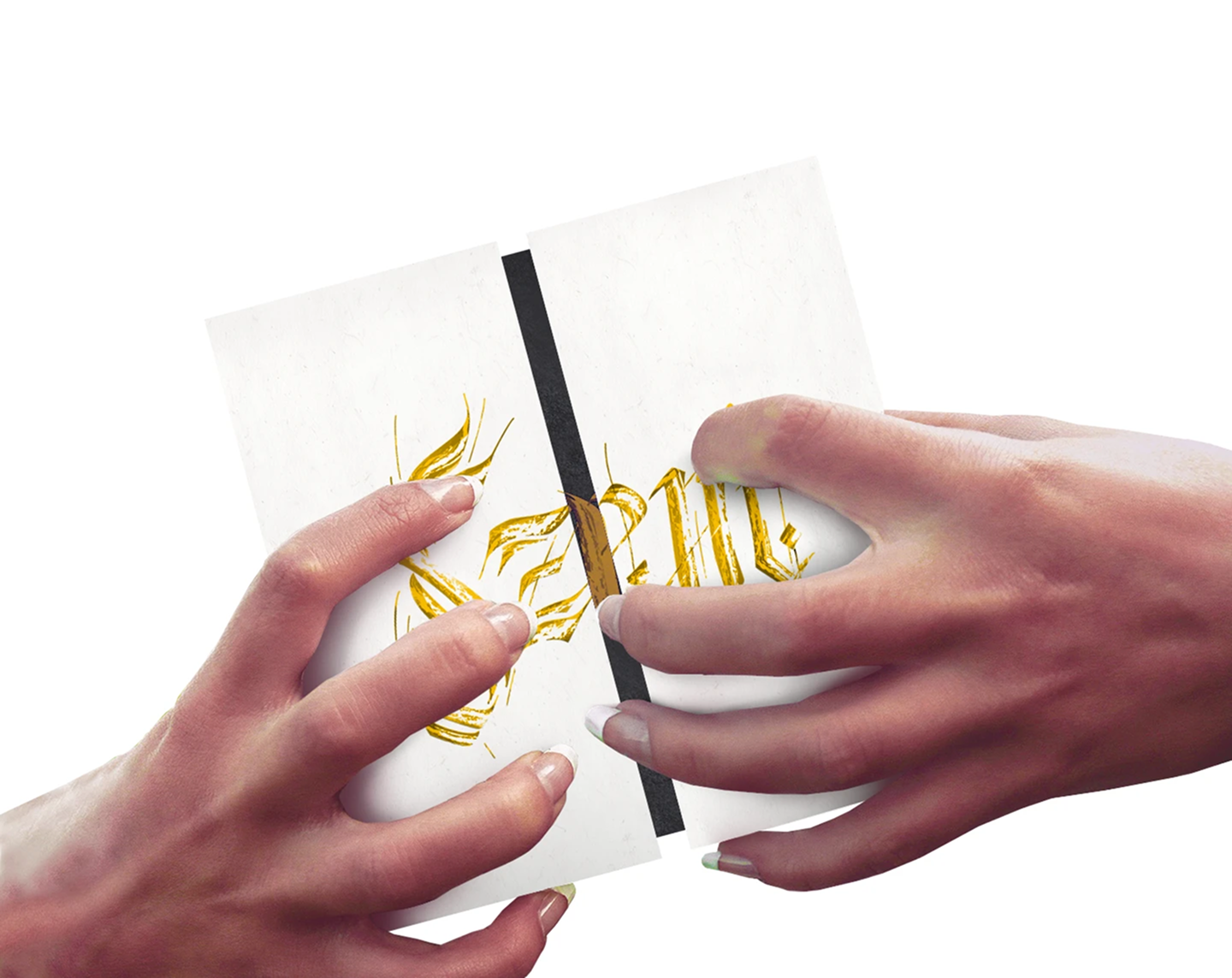
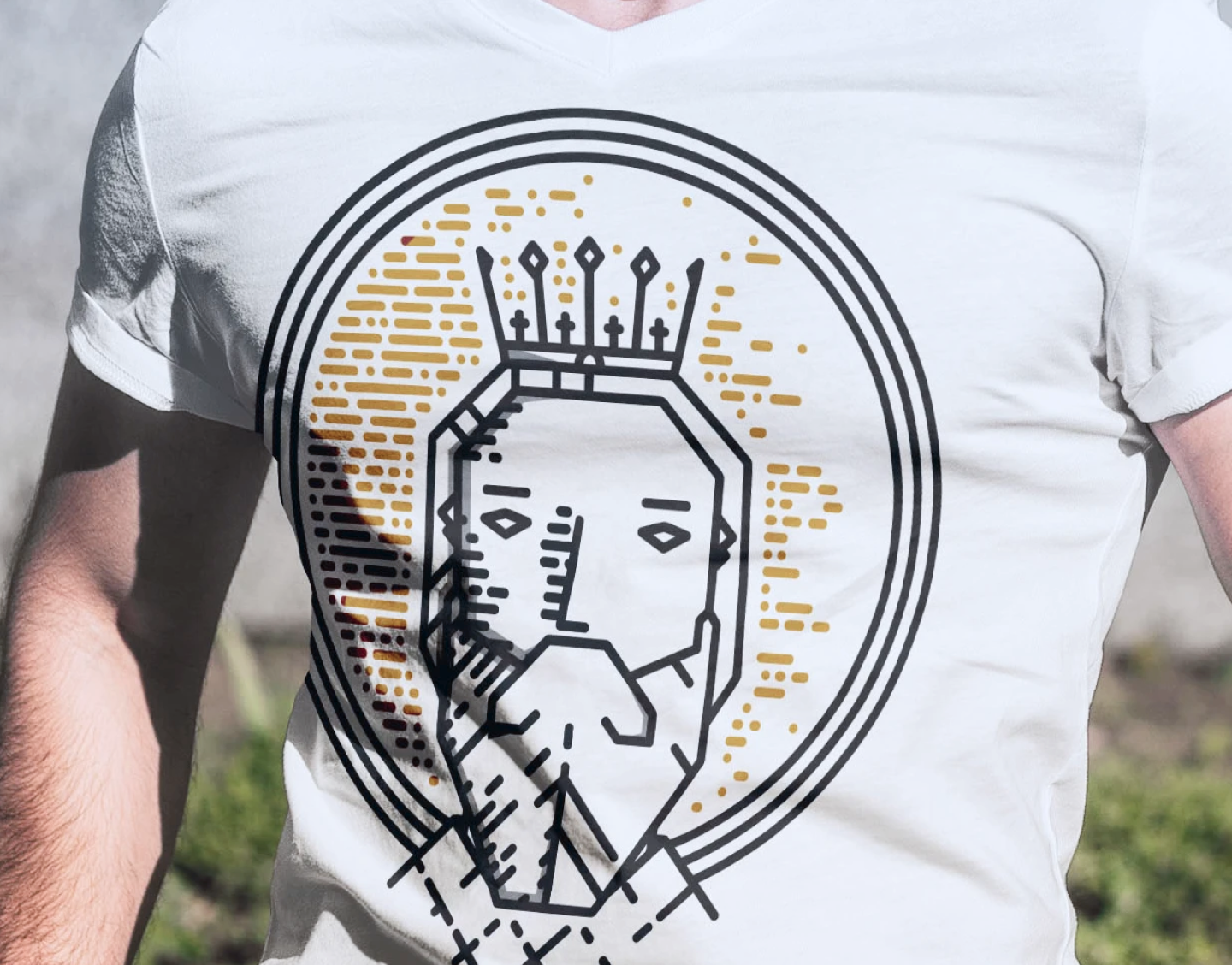
The first series features Hungarian kings, each reduced to their most recognisable features (crown, beard, posture) rendered in stark geometric linework with gold accents. Minimal enough to wear, detailed enough to reward a second look. The visual language sits deliberately at the intersection of historical illustration and contemporary graphic design: neither museum poster nor generic streetwear. The packaging continues the same logic, utilitarian in form, finished with a golden hand-drawn typeface. The physical object is designed to feel like a transition from museum vitrine to modern wardrobe.