Muzgo
Building a cultural magazine in Hungary
Building a cultural magazine in Hungary

The observation
Collecting is not a museum thing. It is a human thing.
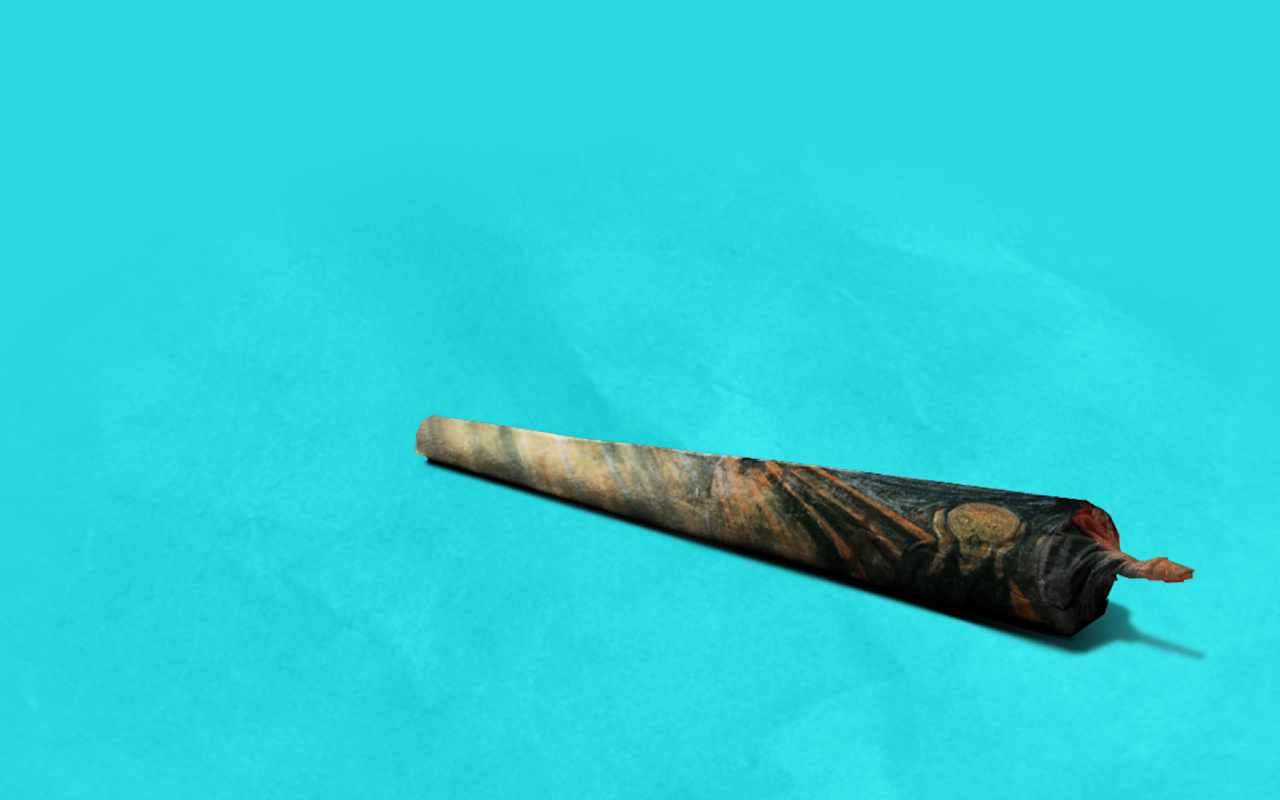
Museums collect. That is what they do; they find objects, preserve them, and try to explain why they matter. But collecting is not something that only happens in institutions. Someone who keeps every ticket stub from every concert they have attended is doing the same thing as a curator building an ethnographic collection. The impulse is identical. The gap between the vitrine and the shoebox is smaller than it looks.
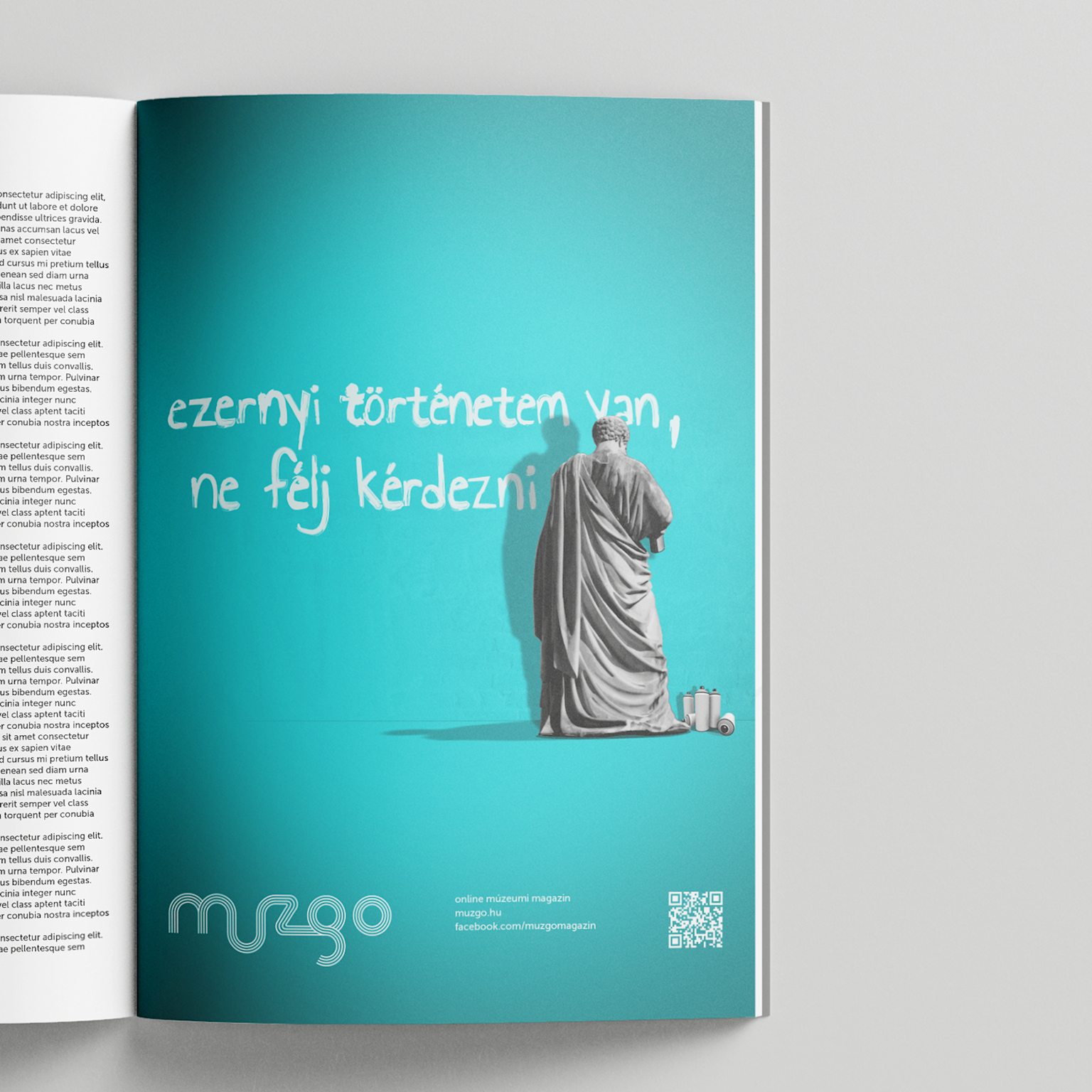
That was the reframe. Not a magazine about museums, but a magazine about collecting as a human behaviour; broad enough to pull in anyone, always finding its way back to cultural heritage. The reference was Colors magazine; confrontational, visually fearless, genuinely curious about the world. That energy had never been pointed at Hungarian museum culture. It felt like an obvious gap.
The concept
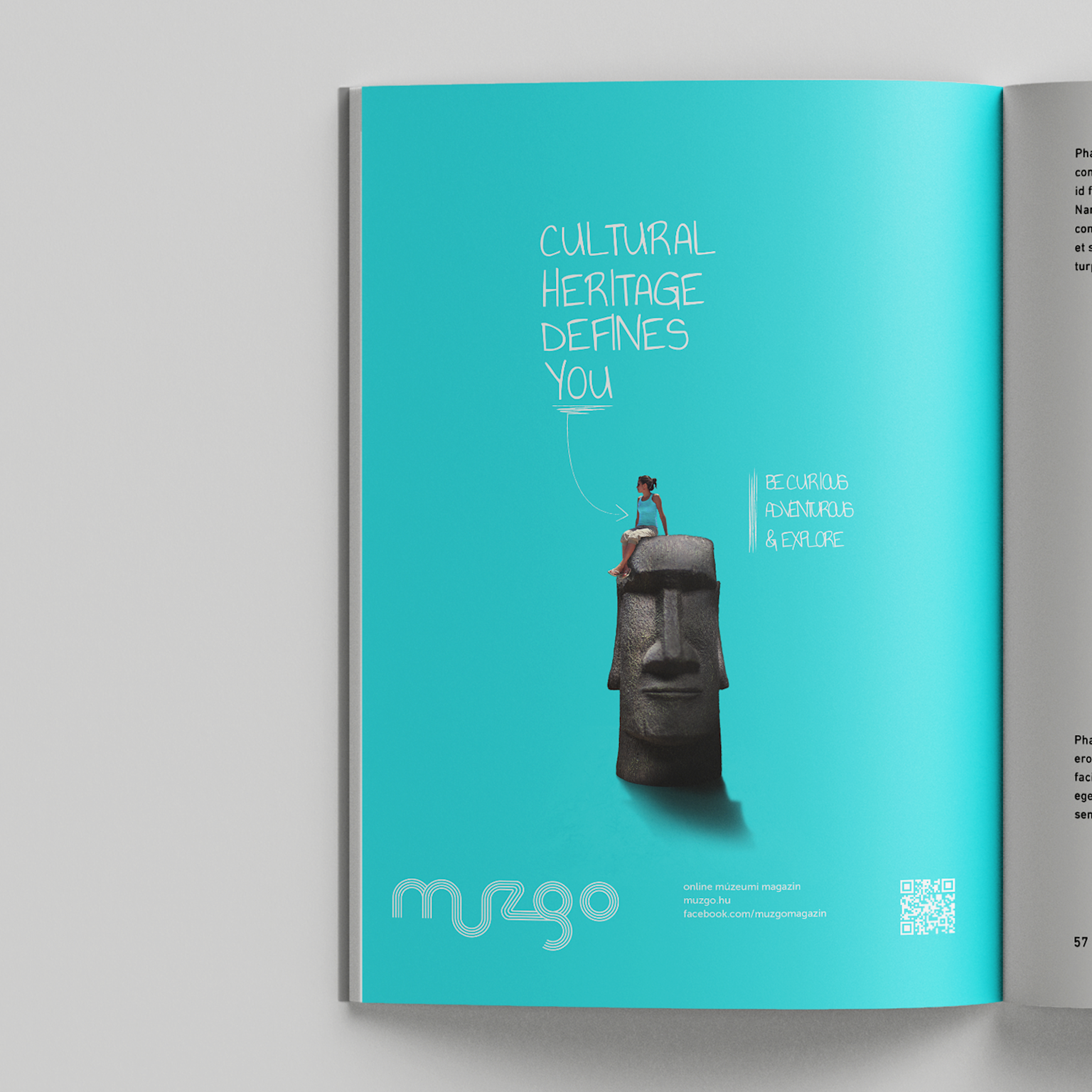
Culture is not something that happens behind glass. It accumulates. You carry it around.
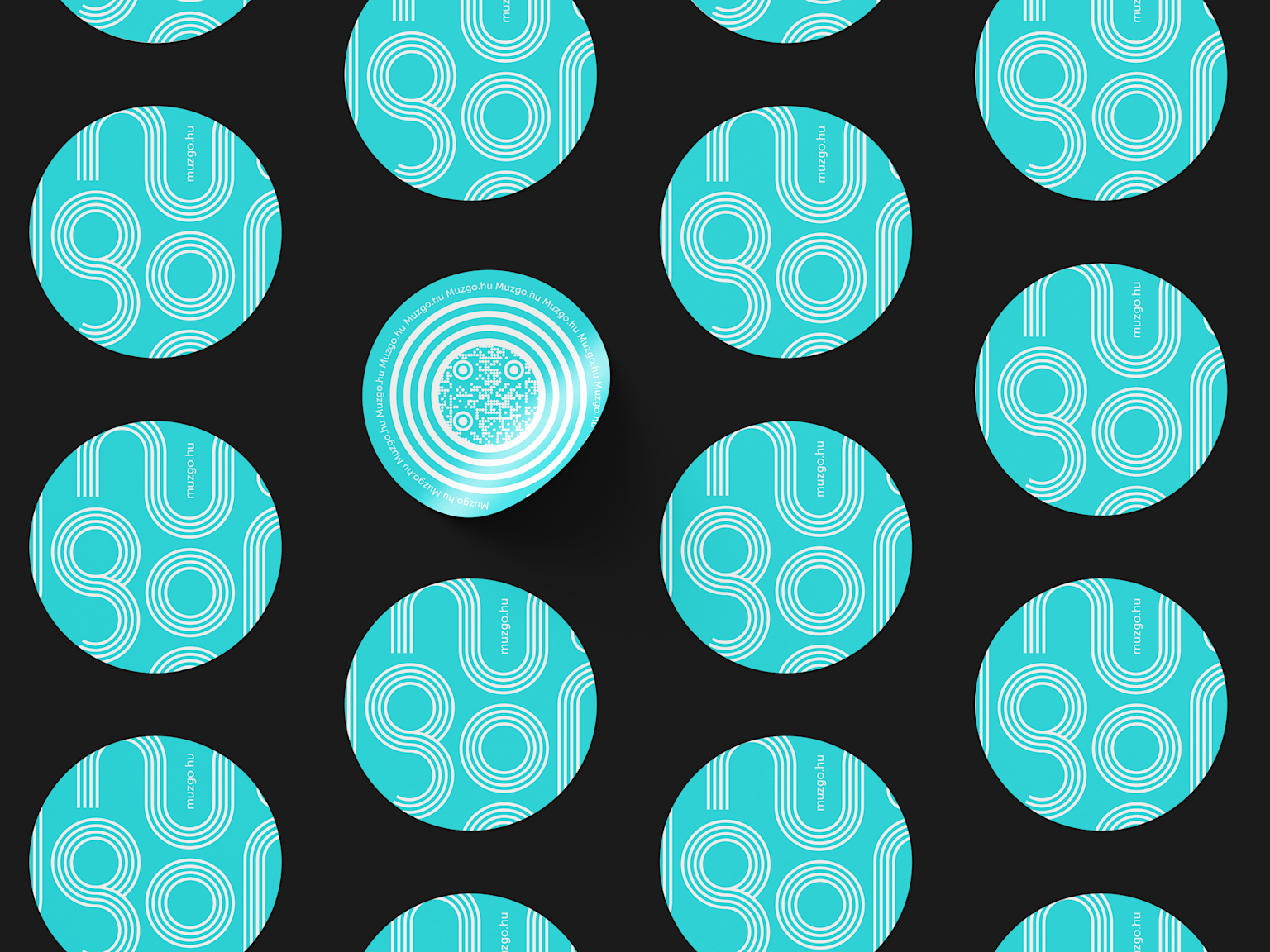
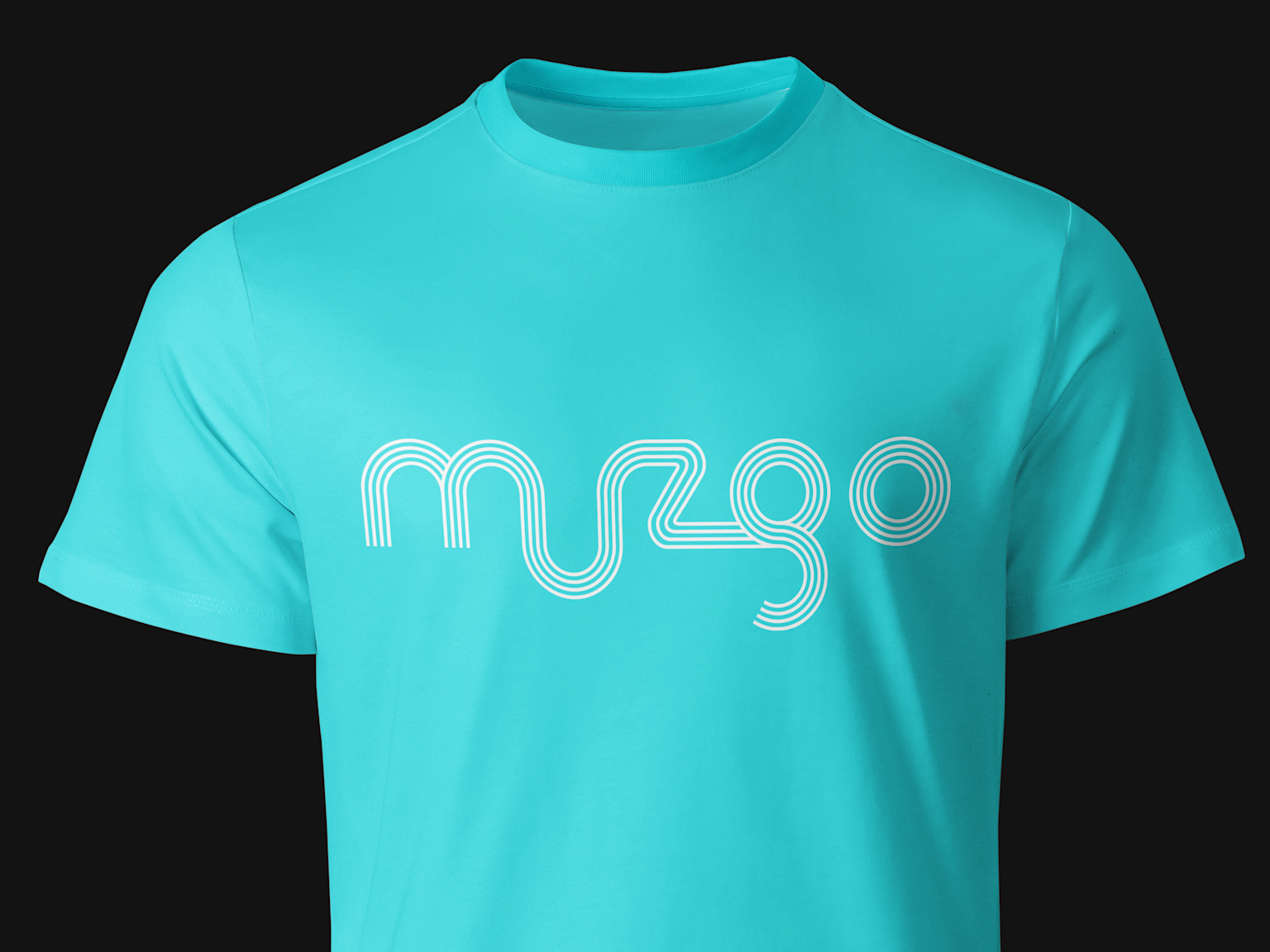
Muzgo came from a mashup of múzeum, the Hungarian phonetic spelling, and "go". The name wanted movement; the suggestion that culture is not a destination but something you are already in the middle of.
The editorial direction pulled museum content out of its institutional frame and into something that felt genuinely contemporary. The tone was set against the grain of how museums usually talk about themselves. Bold, a little confrontational, interested in the strange and the overlooked. The platform started as an online news portal, articles and interviews and videos, and grew into physical activations at museums, taking the editorial energy into the actual spaces it was writing about.

Museums as a board game
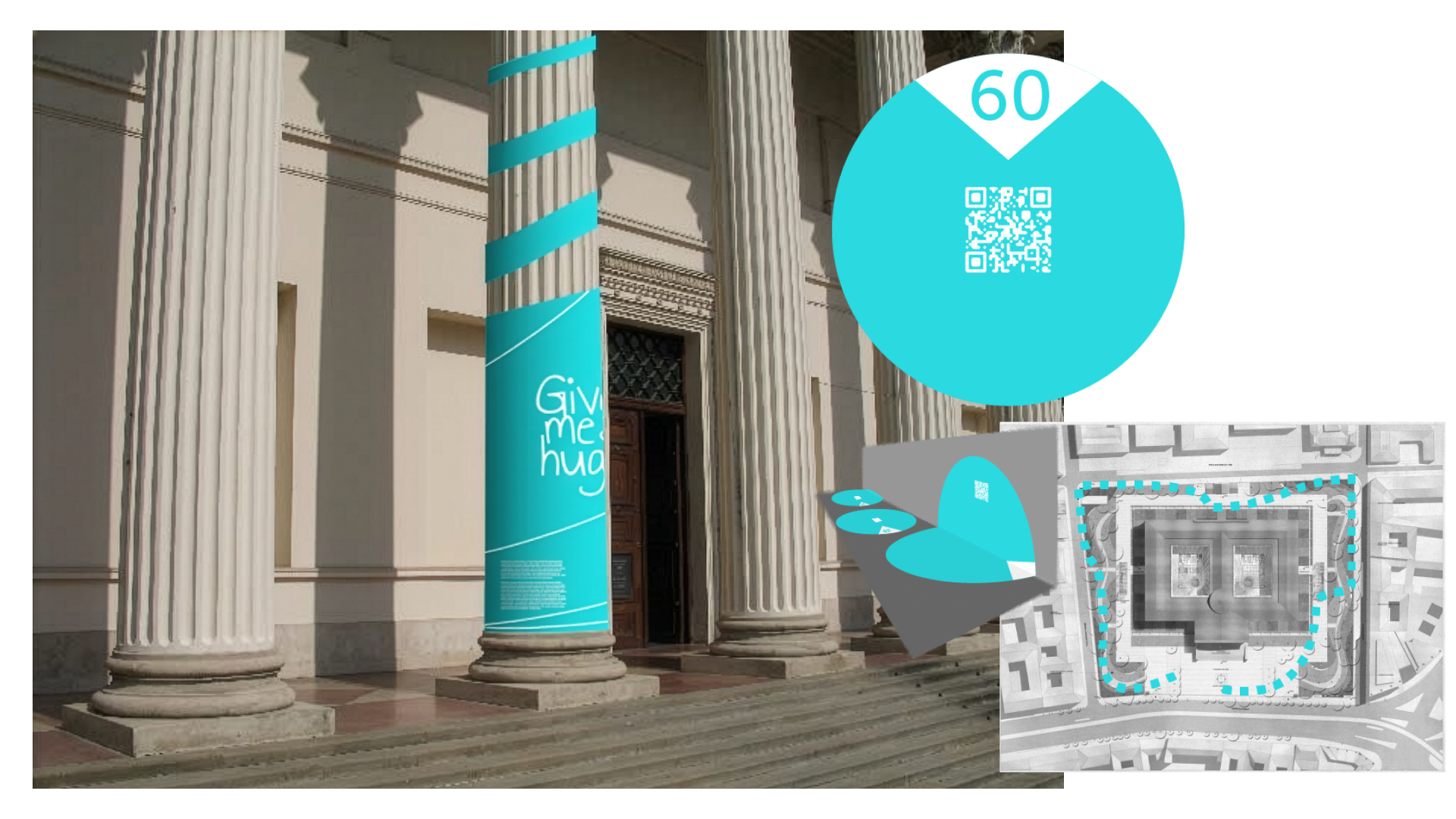
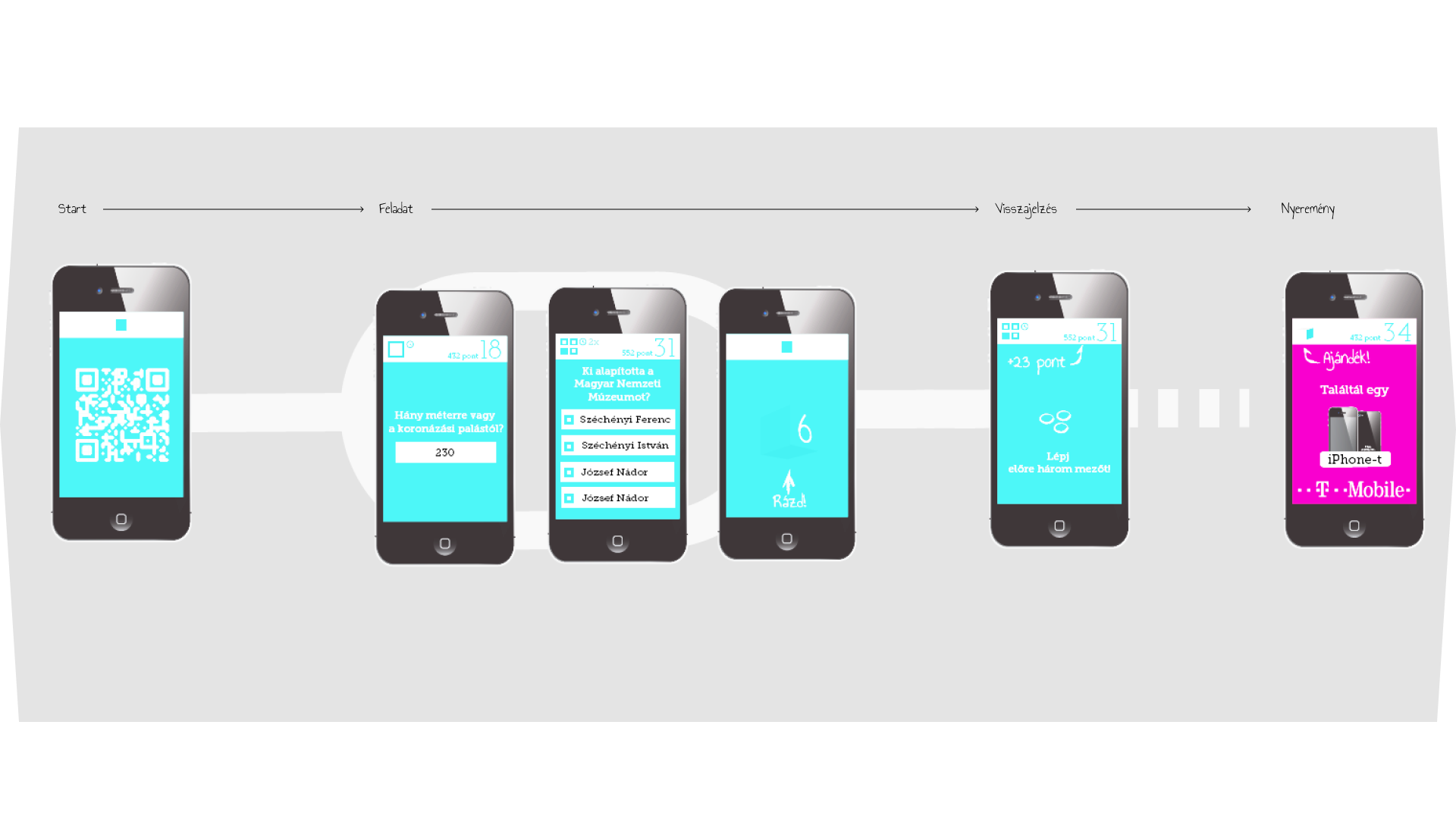
The Muzgo app was built as a concept for Hungarian Museum Day. The museum and its surroundings become a board game; objects, spaces, courtyards, side streets, all nodes in the same map. Move through the physical space and the app surfaces what is around you: a story tied to a doorway, a challenge connected to an object, a link between something inside the building and something two blocks away.
The assumption behind it was that a museum visit does not have to stop at the entrance. Board game logic makes that feel natural. You are not following a script. You are just playing.